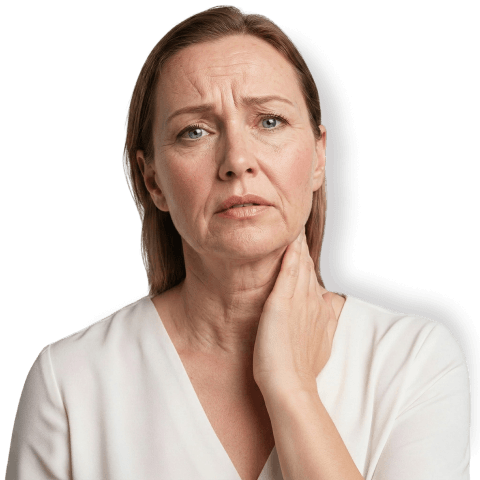
Common Menopause Symptoms & Management
If you’re searching for menopause symptoms, you’re likely noticing changes that feel new, confusing, or hard to explain. The symptoms of menopause can affect the whole body — from temperature regulation (hot flushes, night sweats) to mood, sleep, joints, and weight.
This page is a guide to common symptoms, grouped into physical and emotional/cognitive symptoms. You’ll also find practical, evidence-aligned management ideas you can use day-to-day — and guidance on when it’s worth speaking with a health professional.
Important: This article is general information only and is not medical advice. If you have symptoms or concerns, speak with a qualified health professional.
Looking for a specific answer? You can also explore the other guides in this series:
- Menopause Australia: Symptoms, Stages & Support (overview)
- How to Identify the Early Signs of Menopause
- When Does Menopause Start? Average Age & Early Signs
- How Long Does Menopause Last? Timeline & Stages Guide
Menopause symptoms: a quick overview
Menopause symptoms are most common during perimenopause (the transition phase) and the early years after your final period. Some symptoms improve over time, while others (especially vaginal and urinary symptoms) may persist without targeted support.
- Hot flushes and night sweats (vasomotor symptoms)
- Sleep disruption and fatigue
- Menopause mood changes (anxiety, irritability, lower mood)
- Brain fog, concentration changes, forgetfulness
- Joint pain (menopause) and muscle aches
- Weight gain or changes in body composition
- Vaginal dryness, discomfort with sex, urinary urgency/frequency
Physical menopause symptoms
Physical symptoms are often the first changes people notice — especially temperature symptoms, sleep disruption, and changes in the menstrual cycle. Below is a breakdown of common physical symptoms, what they can feel like, and practical management ideas.
Hot flushes
Hot flushes are sudden waves of heat, flushing, and sweating that can last seconds to minutes. They can happen during the day or at night, sometimes with a racing heart or a “surge” feeling. Triggers can include alcohol, spicy foods, stress, warm rooms, and tight clothing — but some flushes occur without a clear trigger.
- Track patterns: note timing, severity, and possible triggers (sleep, stress, alcohol, overheating).
- Cooling strategies: layered clothing, a fan at night, breathable bedding, and a cool drink.
- Reduce trigger load: consider cutting back on alcohol and spicy food if you notice a link.
- Stress downshifts: slow breathing, a short walk, or a brief reset can reduce intensity for some women.
- Talk to a clinician if flushes are frequent, severe, or disrupting sleep — treatment options exist.
Night sweats
Night sweats are hot flushes that occur during sleep. They can cause waking, drenched clothing or sheets, and next-day fatigue — and they often overlap with insomnia or anxiety.
- Optimise your sleep environment: keep the bedroom cool, use breathable sheets, and avoid heavy doonas if you overheat.
- Plan for disruptions: keep a spare top/towel nearby so you can resettle quickly.
- Support sleep basics: consistent wake time, daylight exposure in the morning, and limiting late caffeine.
- Consider a clinical review if night sweats are frequent or severe — especially if you also have snoring, daytime sleepiness, or other symptoms that might point to another sleep issue.
Joint pain (menopause) and muscle aches
Many women report joint pain during menopause — including stiffness (often in the morning), aching hands, knees, hips, or a general “creaky” feeling. Joint symptoms can overlap with ageing, previous injuries, inflammatory conditions, thyroid issues, or changes in activity, so it’s worth getting persistent pain assessed.
- Keep joints moving: gentle daily movement (walking, mobility, yoga, Pilates) can reduce stiffness.
- Add strength work: building muscle supports joints and can help pain over time.
- Prioritise recovery: sleep, pacing, and managing flare days matter as much as exercise.
- Seek assessment if pain is severe, swollen/red, one-sided, or limiting function, or if it’s new and persistent.
Weight gain and body composition changes
Many women notice weight gain during the menopause transition — or a shift in where weight is stored (often around the abdomen). Sometimes the number on the scale doesn’t change much, but clothes fit differently due to changes in muscle mass, activity levels, sleep, and stress.
- Focus on strength + protein: supporting muscle mass can improve energy, function, and body composition.
- Protect sleep: poor sleep can increase hunger and reduce recovery, making change harder.
- Choose sustainable movement: a mix of cardio (for heart health) and strength (for muscle/bone) tends to be most effective long-term.
- Check the basics: if weight gain is rapid or unexplained, ask your GP about other contributors (thyroid, medications, mood, sleep disorders).
Sleep disruption and fatigue
Sleep can change early in perimenopause, often due to night sweats, anxiety, or lighter sleep. Fatigue can then amplify other symptoms — including mood changes, brain fog, and cravings.
- Keep a consistent wake time (even on weekends) to stabilise your sleep rhythm.
- Get morning light and move your body earlier in the day if possible.
- Limit late caffeine and alcohol if they worsen sleep or night sweats.
- Ask for help if insomnia persists — speak to a clinician.
Vaginal dryness and urinary changes
Lower oestrogen can affect vaginal and urinary tissues, leading to dryness, burning, discomfort with sex, urinary urgency/frequency, or recurrent UTIs. These symptoms are common — and importantly, they often don’t always improve on their own without targeted support.
- Don’t suffer in silence: these symptoms are common and treatable — raise them with your GP.
- Lubricants and moisturisers can help with comfort (your pharmacist can guide options).
- Seek prompt review for urinary burning, fever, blood in urine, or recurrent UTIs.
Palpitations
Some women notice a fluttery, pounding, or “skipped beat” sensation during perimenopause. Palpitations can also relate to anxiety, caffeine, sleep loss, thyroid issues, or heart rhythm conditions, so it’s important to treat persistent palpitations as a symptom worth discussing with your GP.
- Track context: timing, triggers (caffeine/alcohol/stress), and any associated symptoms.
- Seek urgent care if palpitations occur with chest pain, fainting, severe shortness of breath, or persistent dizziness.
Headaches and migraines
Hormone fluctuations can affect headache patterns. Some women notice more frequent headaches during perimenopause, while others find migraines improve after menopause. Sleep disruption, dehydration, and stress can also contribute.
- Hydration + regular meals: fluctuations in blood sugar and dehydration can be triggers.
- Protect sleep where possible (even small improvements can help).
- Get reviewed if headaches are new, severe, worsening, or associated with neurological symptoms.
Skin and hair changes
Some women notice drier skin, changes in hair texture, or hair thinning during the transition. These changes can overlap with ageing, thyroid changes, iron deficiency, or stress — so if hair loss is sudden or significant, it’s worth discussing with your GP.
Emotional and cognitive menopause symptoms
Emotional symptoms can be just as real and disruptive as physical ones — and they’re often amplified by poor sleep, life stress, and feeling unsure of what’s happening. Below is a practical breakdown of common emotional and cognitive symptoms, including menopause mood changes such as anxiety and irritability.
Anxiety
Anxiety can appear for the first time during perimenopause, or it can worsen if you’ve had anxiety in the past. It may feel like restlessness, racing thoughts, worry that’s hard to switch off, or physical symptoms such as a tight chest or unsettled stomach.
- Name the pattern: track when anxiety spikes (sleep loss, alcohol, late caffeine, stressful weeks).
- Use downshift tools: slow breathing, grounding, and brief movement breaks can help regulate the stress response.
- Get support early: counselling, CBT strategies, and clinician support can make a significant difference.
Brain fog
“Brain fog” is a common phrase women use to describe forgetfulness, poor concentration, word-finding difficulty, and feeling mentally slower. It often overlaps with poor sleep, stress, and low mood — so addressing those drivers can improve cognition.
- Fix sleep first: even modest sleep improvements can reduce fog dramatically.
- Reduce mental load: lists, reminders, and simplifying commitments can help in high-symptom weeks.
- Check contributors: iron deficiency, thyroid issues, low mood, and medications can mimic brain fog.
Irritability and mood swings
Menopause mood changes can show up as a shorter fuse, feeling overwhelmed more easily, or emotional swings that feel out of character. It’s not “just you”: hormone fluctuation plus sleep disruption can lower resilience, making everyday stressors feel much bigger.
- Reduce friction: build in buffer time, simplify commitments, and plan recovery after busy days.
- Communicate early: telling close family or colleagues you’re in a high-symptom week can reduce conflict.
- Get clinical support if mood changes are persistent, severe, or affecting relationships/work.
Low mood
Some women experience lower mood during the menopause transition, especially when sleep is disrupted or stress is high. If you feel persistently low, lose interest in things you usually enjoy, or feel like you’re not coping, it’s worth speaking with a GP. If you ever feel unsafe or at risk of harming yourself, seek urgent help immediately.
Management: what helps (without guesswork)
There’s no one-size-fits-all plan, but most effective symptom management combines (1) understanding your stage, (2) tracking patterns, (3) targeted lifestyle supports, and (4) clinical care when symptoms are disrupting quality of life.
- Clarify the stage: many symptoms start in perimenopause, years before periods stop. See: How to Identify the Early Signs of Menopause.
- Track 2–4 weeks: sleep, flushes, mood, pain, cycle changes, alcohol/caffeine, and stress.
- Prioritise sleep and temperature regulation: these often unlock improvements across mood, pain, and cravings.
- Build strength and mobility: helpful for joint pain, weight management, bone health, and confidence.
- Talk to a clinician: if symptoms are frequent, severe, or persistent — you deserve evidence-based options.
When to see a clinician (don’t wait until you’re burnt out)
It’s reasonable to seek help early — especially if you’re trying to manage symptoms while juggling work, caring responsibilities, and sleep disruption.
- Hot flushes or night sweats are disrupting sleep or daily functioning
- Menopause mood changes are persistent, severe, or affecting relationships/work
- Joint pain is limiting activity or is associated with swelling/redness
- Weight gain is rapid/unexplained or you suspect another contributor (e.g., thyroid)
- You have heavy, unusual, or persistent bleeding changes
- You have any vaginal bleeding after menopause (after 12 months with no period) — this should be checked promptly
Next step: get clarity
If you’re not sure which symptoms matter most — or how to describe what you’re experiencing — a quick screening quiz can help you organise your symptoms and decide on next steps.
Take the Chemist2U menopause quiz.
References
These references are provided for general information and are not a substitute for medical advice.
- Australasian Menopause Society. (n.d.). Symptoms. Menopause.org.au. https://www.menopause.org.au/hp/information-sheets/symptoms
- Jean Hailes for Women’s Health. (n.d.). Menopause. Jeanhailes.org.au. https://www.jeanhailes.org.au/health-topics/menopause/
- NHS. (n.d.). Menopause. NHS.uk. https://www.nhs.uk/conditions/menopause/
- Mayo Clinic Staff. (n.d.). Menopause. MayoClinic.org. https://www.mayoclinic.org/diseases-conditions/menopause/symptoms-causes/syc-20353397
For a broader overview of menopause stages and support options, return to Menopause Australia: Symptoms, Stages & Support. If you’re comparing timing and stages, see When Does Menopause Start? and How Long Does Menopause Last?.