Weight loss
Insulin Resistance and Weight Loss: What You Need to Know
How insulin resistance affects weight, the signs to look for, and the evidence-based steps that can help improve insulin sensitivity over time.
At a glance
5–10%
Body weight loss that improves insulin sensitivity
58%
Reduced type 2 diabetes risk in the US DPP study
150+ min
Weekly activity target that supports insulin sensitivity
Oct 2026
Clinical sources last checked
Medically reviewed by Dr Matt Cullen MBBS, FRANZCP
If you have been working to manage your weight without the results you expected, insulin resistance may be part of the picture. It is a common metabolic change that affects how your body handles blood glucose, and it can influence appetite, energy and where your body stores fat.
This guide explains what insulin resistance is, how it relates to weight loss, the signs to look out for, and the evidence-based steps that can help improve insulin sensitivity over time.
What is insulin resistance?
Insulin is a hormone made by the pancreas. Its main job is to help move glucose (sugar) from your bloodstream into your cells, where it is used for energy or stored for later.
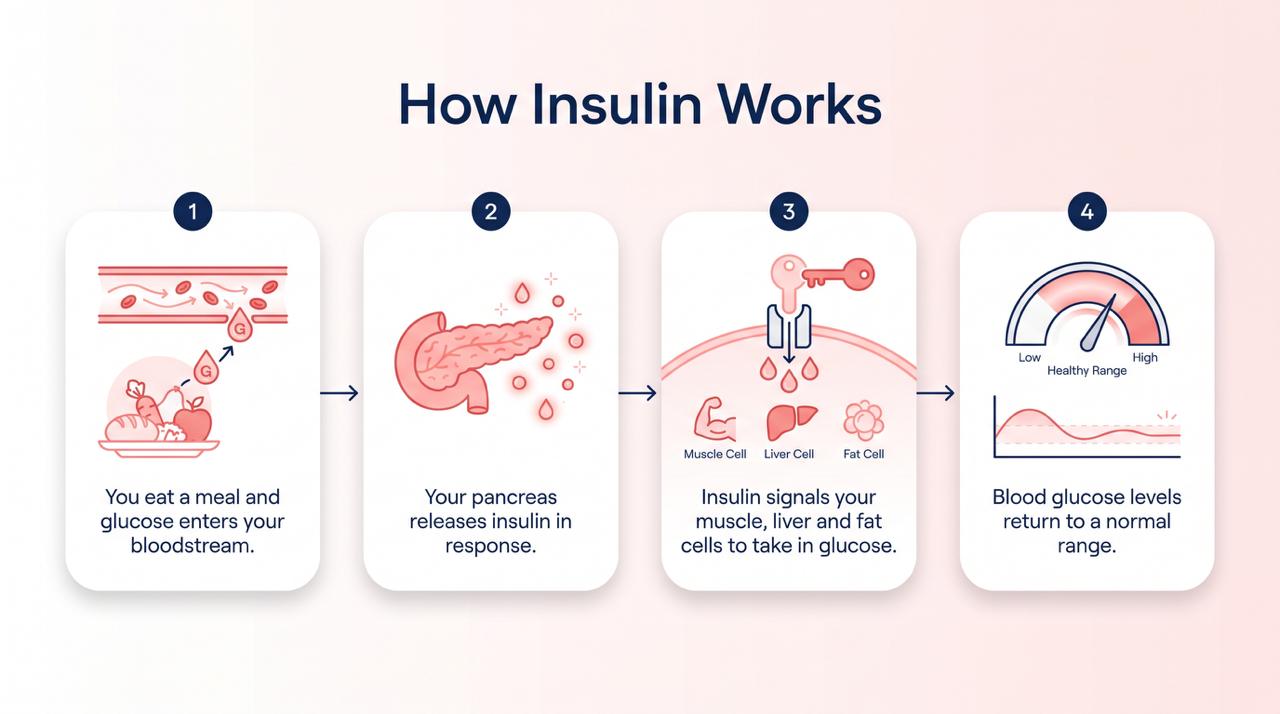
Here is how the process normally works:
- You eat a meal and glucose enters your bloodstream.
- Your pancreas releases insulin in response.
- Insulin signals your muscle, liver and fat cells to take in glucose.
- Blood glucose levels return to a normal range.
With insulin resistance, step 3 becomes less efficient. Cells do not respond to insulin as well as they should, so the pancreas releases more insulin to keep blood glucose stable. This state of higher-than-usual insulin levels is called hyperinsulinaemia.
Over time, if the pancreas cannot keep up, blood glucose levels may begin to rise. This can lead to prediabetes and, eventually, type 2 diabetes.
| Typical insulin response | Insulin resistance | |
|---|---|---|
| How cells respond to insulin | Efficiently | Less effectively |
| Insulin needed to manage glucose | Normal amount | Higher amount |
| Blood glucose levels | Stable | Stable at first, may rise over time |
| Long-term risk | Lower | Higher risk of prediabetes and type 2 diabetes |
How insulin resistance affects weight loss
The relationship between insulin resistance and weight loss works in both directions. Carrying extra weight, particularly around the abdomen, is one of the strongest risk factors for insulin resistance. In turn, insulin resistance can make losing weight feel more difficult.
Energy storage
Insulin is a storage hormone. When insulin levels stay elevated, the body is more inclined to store energy as fat and less inclined to release stored fat for fuel.
Appetite and cravings
Some people with insulin resistance notice stronger hunger between meals or cravings for carbohydrate-rich foods. Blood glucose fluctuations after meals may play a role in this.
Abdominal fat
Visceral fat (the fat stored deep around the abdominal organs) is metabolically active. It releases substances that can interfere with insulin signalling, which can make insulin resistance worse.
Energy balance still matters
Insulin resistance does not stop weight loss from happening. Energy intake and expenditure remain important. However, hormonal factors like insulin can influence appetite, fat storage and how the body responds to changes in diet.
This is one reason weight management is rarely as simple as willpower. You can read more about this in our article on the hidden biology of weight struggles and our overview of the science of weight loss.
Insulin resistance symptoms and signs
Insulin resistance often develops gradually and may cause no noticeable symptoms for years. When signs do appear, they can include:
- A larger waist measurement. A waist of 94 cm or more in men, or 80 cm or more in women, is associated with increased metabolic risk.
- Acanthosis nigricans. Darker, velvety patches of skin, usually on the neck, armpits or groin.
- Skin tags. Small, soft growths of skin, often on the neck or eyelids.
- Changes in blood test results. Such as higher fasting glucose, higher triglycerides or lower HDL ("good") cholesterol.
- Raised blood pressure.
- Fatigue or difficulty concentrating after meals. These are non-specific and can have many causes.
Insulin resistance symptoms in women
Insulin resistance is closely associated with polycystic ovary syndrome (PCOS). Women with PCOS may notice irregular periods, acne or excess hair growth alongside weight changes.
Hormonal shifts during perimenopause and menopause can also change where the body stores fat, with more fat often stored around the abdomen. If you are going through this stage of life, our guide to common menopause symptoms and management may be helpful.
Who is at higher risk of insulin resistance?
| Risk factor | Why it matters |
|---|---|
| Excess abdominal weight | Visceral fat interferes with insulin signalling |
| Low physical activity | Active muscles use glucose efficiently |
| Family history of type 2 diabetes | Genetics can influence insulin sensitivity |
| PCOS | Strongly linked to insulin resistance |
| History of gestational diabetes | Indicates higher future risk of type 2 diabetes |
| Age over 45 | Insulin sensitivity tends to decline with age |
| Poor or short sleep | Can affect glucose regulation and appetite hormones |
| Certain medicines | Some medicines, such as corticosteroids, can raise blood glucose |
| Non-alcoholic fatty liver disease | Often occurs alongside insulin resistance |
Some cultural backgrounds, including Aboriginal and Torres Strait Islander, South Asian, Pacific Islander and Middle Eastern populations, also have a higher risk of type 2 diabetes.
How is insulin resistance assessed?
There is no single routine test for insulin resistance in Australian general practice. Instead, a doctor will usually look at your overall health picture, which may include:
| Assessment | What it shows |
|---|---|
| Fasting blood glucose | Your blood glucose level after not eating overnight |
| HbA1c | Your average blood glucose over roughly the past 3 months |
| Oral glucose tolerance test (OGTT) | How your body handles a set amount of glucose over 2 hours |
| Fasting insulin | Your insulin level after fasting. Results can vary between labs and are usually considered alongside other tests |
| Lipid profile | Cholesterol and triglyceride levels |
| Waist measurement and blood pressure | Physical markers of metabolic risk |
If you are concerned about insulin resistance, speak with your GP about which tests are appropriate for you.
How to improve insulin sensitivity and support weight loss
The good news is that insulin sensitivity can improve with sustained lifestyle changes. These steps support both insulin resistance and weight loss at the same time.
1. Focus on an overall eating pattern
There is no single insulin resistance diet that suits everyone. Research generally supports eating patterns that are built around whole, minimally processed foods, such as a Mediterranean-style diet.
Practical principles include:
- Choose high-fibre carbohydrates like legumes, wholegrains, vegetables and fruit.
- Include a source of protein at each meal to support fullness.
- Choose healthy fats from olive oil, nuts, seeds and oily fish.
- Limit sugary drinks, refined grains and highly processed snacks.
- Keep meal timing reasonably regular to help manage hunger.
| Instead of | Try |
|---|---|
| White bread | Wholegrain or sourdough bread |
| Sugary breakfast cereal | Rolled oats with nuts and berries |
| Soft drink or juice | Water, sparkling water or unsweetened tea |
| White rice with every meal | Brown rice, quinoa or extra vegetables |
| Biscuits or chips as snacks | Plain yoghurt, fruit or a handful of nuts |
A dietitian can help tailor these principles to your needs, preferences and any other health conditions.
2. Move more, and include strength training
Physical activity is one of the most effective ways to improve insulin sensitivity. Working muscles take up glucose from the blood, and building muscle increases your body's capacity to use glucose.
Australia's Physical Activity and Sedentary Behaviour Guidelines recommend that adults:
- Aim for 150 to 300 minutes of moderate activity (such as brisk walking) each week.
- Include muscle-strengthening activities on at least 2 days each week.
- Break up long periods of sitting where possible.
Even a short walk after meals can help reduce the rise in blood glucose that follows eating.
3. Prioritise sleep and manage stress
Short or disrupted sleep can affect glucose regulation and increase appetite. Most adults need 7 to 9 hours of sleep per night.
Ongoing stress raises cortisol, a hormone that can increase blood glucose. Regular activity, time outdoors and relaxation techniques may help.
4. Aim for gradual, sustained weight loss
For people carrying excess weight, losing around 5 to 10% of body weight can meaningfully improve insulin sensitivity and other markers of metabolic health. In the large US Diabetes Prevention Program study, a lifestyle program targeting around 7% weight loss plus 150 minutes of weekly activity reduced the risk of developing type 2 diabetes by 58% in people at high risk.
Key takeaway
Losing 5–10% of body weight — combined with regular activity — can meaningfully improve insulin sensitivity and reduce long-term diabetes risk.
Can insulin resistance be reversed?
For many people, insulin sensitivity can improve significantly with lifestyle changes and, where appropriate, medical support. Whether insulin resistance can be fully reversed depends on individual factors such as genetics, how long it has been present and any related conditions.
Some improvements in insulin sensitivity can occur within weeks of increasing physical activity. Longer-term progress depends on maintaining changes over months and years. Regular check-ups with your GP can help track your progress through blood tests.
Where medical weight loss support fits in
Lifestyle changes are the foundation of managing insulin resistance and weight. For some people, particularly those with a higher body mass index or weight-related health conditions, additional medical support may be appropriate.
A doctor may consider a range of options based on your health history, including referral to allied health professionals or prescription treatment where clinically appropriate. Prescription medicines are only available following assessment by a qualified health practitioner.
The Chemist2U Supported Weight Loss Program connects eligible Australians with independent clinicians for a personalised assessment and ongoing support. Suitability is determined by a clinician based on your individual health needs.
If you are considering a program, these guides can help you get started:
- How to prepare for a weight loss consultation
- Suggested questions to ask your nurse practitioner during a weight management consultation
When to speak with a doctor
Book an appointment with your GP if you:
- Have a family history of type 2 diabetes and have not had a recent blood glucose test.
- Notice darkened patches of skin on your neck or armpits.
- Have been diagnosed with PCOS or had gestational diabetes.
- Have a waist measurement above the recommended range.
- Experience increased thirst, frequent urination or unexplained tiredness.
- Have found it difficult to lose weight despite consistent changes.
This article is for general information only and does not replace personalised medical advice. Speak with your doctor about your individual health needs.
Frequently asked questions
Does insulin resistance make it harder to lose weight?
It can. Higher insulin levels favour energy storage and may influence hunger. However, weight loss is still achievable, and losing weight itself tends to improve insulin sensitivity.
What is the best diet for insulin resistance?
There is no single best diet. Eating patterns based on high-fibre carbohydrates, lean protein, healthy fats and minimally processed foods, such as a Mediterranean-style diet, are well supported by research.
Can you have insulin resistance at a healthy weight?
Yes. Genetics, low physical activity, poor sleep and fat stored around the abdomen can contribute to insulin resistance in people within a healthy weight range.
Is insulin resistance the same as prediabetes?
No. Insulin resistance describes how your cells respond to insulin. Prediabetes means blood glucose levels are higher than normal but below the threshold for type 2 diabetes. Insulin resistance often comes before prediabetes.
How long does it take to improve insulin sensitivity?
Some improvements can begin within weeks of regular physical activity. Sustained improvement usually takes several months of consistent changes to diet, activity, sleep and weight.